Debunking Common Myths About Virtual Fitness Coaching
With the rise of technology, virtual fitness coaching has become a popular choice for many looking to improve their health and wellness. However, several myths still surround this convenient option. Let's explore and debunk some of the most common misconceptions about virtual fitness coaching.
Myth 1: Virtual Coaching is Less Effective
Many people believe that virtual fitness coaching is less effective than in-person sessions. This is simply not true. Virtual coaches are highly qualified professionals who can tailor programs just as effectively online as they can in person. Thanks to advancements in video conferencing and fitness apps, coaches can track progress, provide feedback, and offer motivation in real-time.

Moreover, virtual coaching offers flexibility that traditional methods might lack. Clients can work out at their convenience, leading to better adherence and consistency, which are key factors in reaching fitness goals.
Myth 2: It's Harder to Stay Motivated
Some worry that without a physical presence, staying motivated is challenging. However, virtual fitness coaching often involves regular check-ins, personalized plans, and even community support groups. These elements can enhance motivation and accountability.
Many platforms offer interactive features, such as leaderboards and challenges, which can boost engagement and drive. Clients often find themselves more motivated than ever, knowing they have a supportive community and a coach monitoring their progress.

Myth 3: Virtual Coaching is Only for the Tech-Savvy
Another misconception is that virtual fitness coaching requires advanced technical skills. In reality, most platforms are user-friendly and designed for all levels of tech proficiency. Coaches provide guidance on how to use apps and tools, ensuring a seamless experience.
Additionally, many platforms offer technical support and resources to assist users, making the transition to virtual coaching smooth and accessible for everyone, regardless of their tech skills.
Myth 4: You Need Expensive Equipment
Some people think virtual coaching requires costly home gym equipment. However, virtual coaches often design workouts that use minimal equipment or even bodyweight exercises. These programs are flexible and adaptable, catering to the resources available to the client.
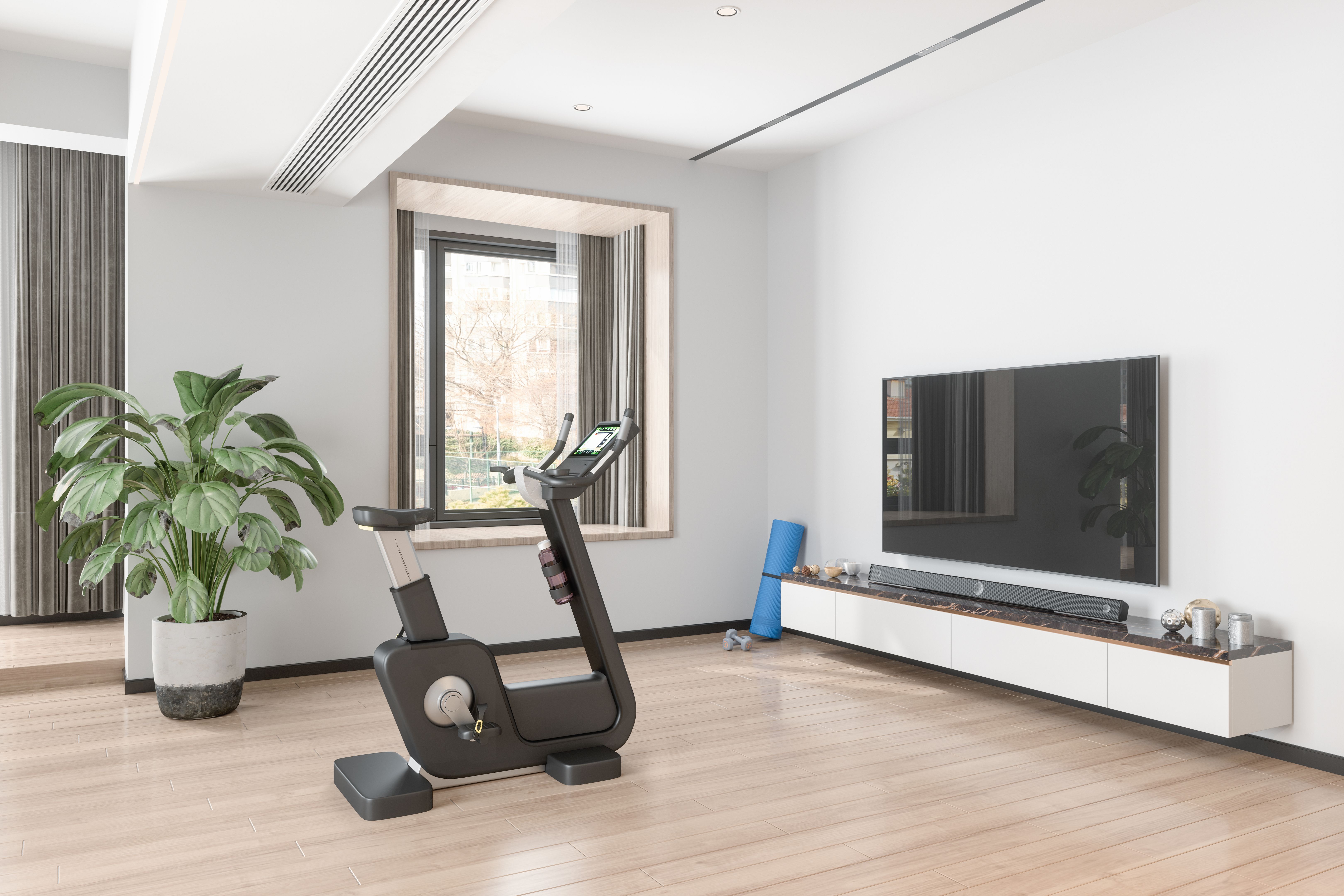
Virtual fitness coaching emphasizes creativity and adaptability, meaning workouts can be effective whether you're in a fully equipped gym or your living room with just a yoga mat.
Conclusion: Embracing Virtual Fitness Coaching
Virtual fitness coaching is a versatile and effective way to achieve fitness goals. By debunking the myths surrounding it, more people can take advantage of this modern approach to health and wellness. Whether you're looking for convenience, flexibility, or a personalized experience, virtual coaching offers a valuable solution that fits into today’s busy lifestyle.